Polish Literature and Genocide by Arkadiusz. Morawiec
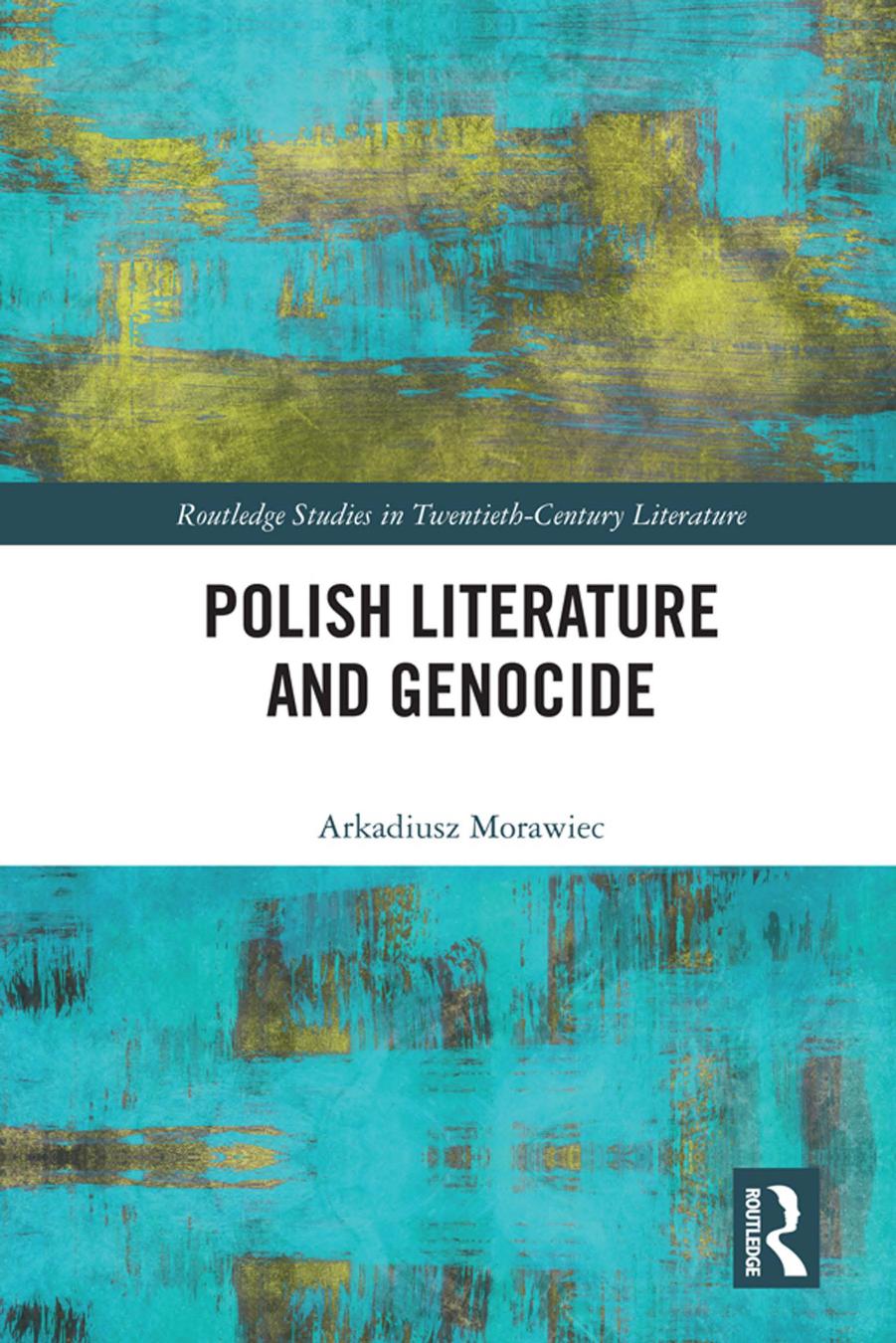
Author:Arkadiusz. Morawiec [Morawiec, Arkadiusz.]
Format: pdf
Tags: Polish Literature and Genocide presents the attitude of Polish literature to the 20th-century acts of genocide. This volume examines the literary representations of the Armenian genocide, the Holocaust, and the massacre in Srebrenica in a rich, detailed, and comprehensive way, expanding the existing research and, in some cases, challenging the former sometimes ossified ideas. Polish literature not only reflects the obvious extermination of Jews and Poles, but also records what had been largely overlooked: the extermination of disabled and mentally ill people, the Roma and Sinti, and the Soviet prisoners of war by the Nazis. This volume includes analysis of the literary works of W³adys³aw Szlengel, the most prominent Polish-language poet in the Warsaw ghetto; the peculiar reception of Julian Tuwim’s famous poem for children “Locomotive;” the memoir of Leon Weliczker, a prisoner of the Janowska concentration camp in Lvov and a member of the ‘death brigade’ (Sonderkommando); the origins of Medallions by Zofia Na³kowska, who ‘processed’ historical documents into literature and contributed to the making of professor Rudolf Spanner’s ‘dark legend,’ and the textual origins of Tadeusz Ró¿ewicz’s ‘poetry after Auschwitz.’ Furthermore, this volume addresses issues related to the genesis and function of ‘genocide literature’ – aesthetic, cognitive, ideological, and social. This volume will be a crucial resource for academics interested in genocide and Holocaust literary studies., and comprehensive way, ideological, in some cases, expanding the existing research and, and the massacre in Srebrenica in a rich, detailed, and social. This volume will be a crucial resource for academics interested in genocide and Holocaust literary studies., challenging the former sometimes ossified ideas. Polish literature not only reflects the obvious extermination of Jews and Poles, and the Soviet prisoners of war by the Nazis. This volume includes analysis of the literary works of W³adys³aw Szlengel, the Roma and Sinti, but also records what had been largely overlooked: the extermination of disabled and mentally ill people, who ‘processed’ historical documents into literature and contributed to the making of professor Rudolf Spanner’s ‘dark legend, a prisoner of the Janowska concentration camp in Lvov and a member of the ‘death brigade’ (Sonderkommando); the origins of Medallions by Zofia Na³kowska, this volume addresses issues related to the genesis and function of ‘genocide literature’ – aesthetic, ’ and the textual origins of Tadeusz Ró¿ewicz’s ‘poetry after Auschwitz.’ Furthermore, Polish Literature and Genocide presents the attitude of Polish literature to the 20th-century acts of genocide. This volume examines the literary representations of the Armenian genocide, the most prominent Polish-language poet in the Warsaw ghetto; the peculiar reception of Julian Tuwim’s famous poem for children “Locomotive;” the memoir of Leon Weliczker, cognitive, the Holocaust
Publisher: Taylor & Francis
Published: 2021-12-31T02:05:46.214228+00:00
Download
This site does not store any files on its server. We only index and link to content provided by other sites. Please contact the content providers to delete copyright contents if any and email us, we'll remove relevant links or contents immediately.
4 3 2 1: A Novel by Paul Auster(12520)
The handmaid's tale by Margaret Atwood(7836)
Giovanni's Room by James Baldwin(7441)
Asking the Right Questions: A Guide to Critical Thinking by M. Neil Browne & Stuart M. Keeley(5838)
Big Magic: Creative Living Beyond Fear by Elizabeth Gilbert(5837)
Ego Is the Enemy by Ryan Holiday(5532)
The Body: A Guide for Occupants by Bill Bryson(5181)
On Writing A Memoir of the Craft by Stephen King(5005)
Ken Follett - World without end by Ken Follett(4790)
Adulting by Kelly Williams Brown(4623)
Bluets by Maggie Nelson(4607)
Eat That Frog! by Brian Tracy(4603)
Guilty Pleasures by Laurell K Hamilton(4511)
The Poetry of Pablo Neruda by Pablo Neruda(4172)
Alive: The Story of the Andes Survivors by Piers Paul Read(4080)
Fingerprints of the Gods by Graham Hancock(4050)
The Book of Joy by Dalai Lama(4047)
White Noise - A Novel by Don DeLillo(4047)
The Bookshop by Penelope Fitzgerald(3903)
